
Mediterranean diet meals have garnered attention for their delicious flavors and numerous health benefits. Rooted in the culinary traditions of countries bordering the Mediterranean Sea, this diet emphasizes fresh, whole ingredients that nourish both the body and soul. Rich in fruits, vegetables, whole grains, and healthy fats, Mediterranean meals not only tantalize the taste buds but also promote longevity and well-being.
This eating pattern is not just about what you eat, but how you eat. It embodies a lifestyle that encourages communal meals, mindful eating, and an appreciation for quality over quantity. With a focus on plant-based foods, olive oil, and lean proteins, the Mediterranean diet stands out as a sustainable option for those looking to improve their health while enjoying vibrant and flavorful dishes.
Introduction to Mediterranean Diet Meals
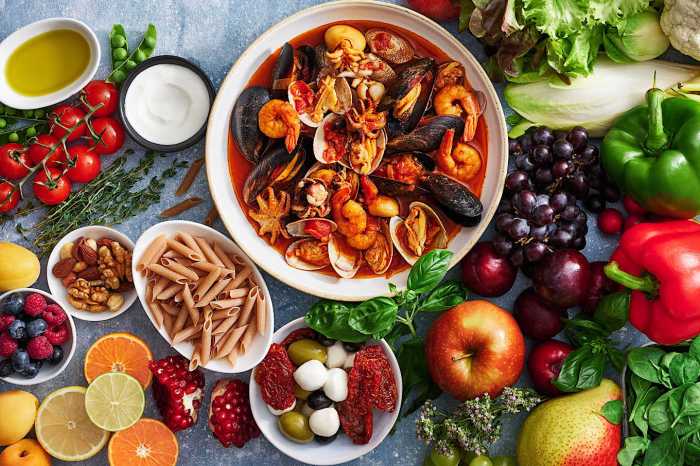
Mediterranean diet meals are renowned for their rich flavors and health benefits. This dietary pattern emphasizes the consumption of whole foods, primarily plant-based ingredients, which form the foundation of traditional cuisines in countries bordering the Mediterranean Sea. The origins of this diet can be traced back to the lifestyle of Mediterranean communities, where fresh, seasonal produce, healthy fats, and lean proteins are staples.
The cultural significance of this diet is deeply rooted in the communal practices of cooking and sharing meals, promoting social interactions and a healthy lifestyle.The Mediterranean diet is linked to numerous health benefits, including improved heart health, weight management, and reduced risk of chronic diseases. Research has shown that following this diet can lower the chances of developing conditions such as hypertension, diabetes, and even certain types of cancer.
By prioritizing olive oil, whole grains, legumes, fruits, and vegetables, the Mediterranean diet provides a holistic approach to nutrition that supports both physical and mental well-being.
Key Ingredients in Mediterranean Diet Meals
A variety of ingredients contributes to the unique flavors and health benefits of Mediterranean meals. Common staples include:
- Olive oil
- Whole grains like quinoa, barley, and farro
- Legumes such as lentils, chickpeas, and beans
- Fruits and vegetables, particularly tomatoes, peppers, and leafy greens
- Fish, especially fatty varieties like salmon and sardines
- Nuts and seeds, including almonds, walnuts, and sesame seeds
Olive oil, a cornerstone of the Mediterranean diet, provides healthy monounsaturated fats, antioxidants, and anti-inflammatory properties. Whole grains are excellent sources of fiber, vitamins, and minerals, while legumes are packed with protein and essential nutrients, making them a vital component for maintaining energy and satiety.
| Herb/Spice | Flavor Profile | Nutritional Benefits |
|---|---|---|
| Basil | Sweet, peppery | Rich in antioxidants |
| Oregano | Earthy, warm | Anti-inflammatory properties |
| Parsley | Fresh, slightly peppery | High in vitamins A, C, and K |
| Rosemary | Pine, woody | Improves digestion |
| Thyme | Earthy, minty | Antimicrobial effects |
Meal Planning for the Mediterranean Diet
Planning meals that align with the Mediterranean diet can enhance your culinary experience and health. A well-structured weekly meal plan can help incorporate diverse flavors and nutrients. Below is a template that can be adapted to individual preferences:
- Breakfast: Greek yogurt with honey and walnuts, whole grain toast with avocado
- Lunch: Quinoa salad with chickpeas, cucumbers, and feta cheese
- Dinner: Grilled salmon with roasted vegetables
- Snacks: Hummus with carrots and whole grain pita
Maintaining portion control and balance is crucial when preparing Mediterranean meals. Utilizing the plate method—filling half your plate with fruits and vegetables, one quarter with whole grains, and one quarter with protein—can promote a balanced diet.A comprehensive shopping list of essential Mediterranean ingredients can streamline your grocery experience. It can include items like:
- Fresh fruits and vegetables
- Whole grains (brown rice, whole-wheat pasta)
- Legumes (canned or dried beans, lentils)
- Fish (fresh or frozen)
- Olive oil and vinegar
- Nuts and seeds
Mediterranean Diet Recipes
Creating meals inspired by the Mediterranean diet can be both easy and enjoyable. Here are simple recipes for breakfast, lunch, and dinner:
Breakfast
Mediterranean Omelette Beat eggs and mix with diced tomatoes, spinach, and feta cheese. Cook in olive oil until set.
Lunch
Mediterranean Chickpea Salad Combine canned chickpeas, chopped cucumbers, cherry tomatoes, red onion, and parsley. Drizzle with olive oil and lemon juice.
Dinner
Lemon Herb Grilled Chicken
Marinate chicken breasts in lemon juice, garlic, and herbs, then grill until cooked through. Serve with a side of roasted vegetables.For those seeking plant-based options, consider these vegetarian and vegan Mediterranean meal ideas:
Vegetarian
Stuffed Bell Peppers Fill bell peppers with a mixture of quinoa, black beans, corn, diced tomatoes, and spices, then bake until tender.
Vegan
Mediterranean Lentil Soup
Simmer lentils with diced carrots, celery, onions, and season with bay leaves, thyme, and lemon juice for flavor.
Mediterranean Diet and Health Care
The Mediterranean diet plays a significant role in managing chronic diseases. Studies indicate that individuals adhering to this dietary pattern experience lower rates of heart disease, type 2 diabetes, and other chronic conditions. By focusing on whole foods, this diet can help regulate blood sugar levels and improve overall health outcomes.In home health care practices, the Mediterranean diet can be integrated into meal planning for patients, promoting recovery and enhancing quality of life.
Health clinics can foster nutritional education by providing resources and guidance on the Mediterranean diet, empowering individuals to make healthier food choices.
Health Equity and Mediterranean Diet
Access to Mediterranean diet foods is essential for promoting health equity. Communities that have limited access to fresh produce and whole foods often experience higher rates of diet-related diseases. Initiatives that aim to improve food access, such as community gardens and farmers’ markets, can contribute to healthier eating habits.Examples of programs addressing health disparities through diet include nutrition education workshops and cooking classes, which equip individuals with the knowledge to prepare healthy meals using Mediterranean ingredients.
These initiatives foster community engagement and support healthier lifestyles.
Mediterranean Diet and Health Anxiety
Following a Mediterranean diet can alleviate health anxiety by promoting a balanced and nutritious lifestyle. The act of cooking and preparing meals with wholesome, fresh ingredients can have therapeutic effects, encouraging mindfulness and reducing stress.Mindfulness practices associated with Mediterranean eating habits include savoring meals, eating with family and friends, and focusing on the sensory experience of food. These practices contribute to improved mental well-being and a more positive relationship with food.
Incorporating Mediterranean Diet into Health and Fitness
Designing a fitness plan that complements the Mediterranean diet can enhance overall health and wellness. Regular physical activity, combined with nutrient-dense meals, can boost energy levels and support weight management.Tips for making healthy food choices pre- and post-workout include consuming complex carbohydrates from whole grains and incorporating healthy fats from nuts or avocado. The Mediterranean lifestyle, with its emphasis on balanced meals and active living, supports sustained health and vitality.
The Role of Healthcare Systems in Promoting the Mediterranean Diet
Healthcare systems can play a vital role in promoting Mediterranean meals through various strategies. Implementing nutrition-focused programs and partnering with dietitians can facilitate education on the benefits of this diet for patients.Collaborations between health care assistants and nutrition experts can lead to successful health promotion campaigns. Real-life case studies showcasing community health initiatives that emphasize the Mediterranean diet illustrate its potential to improve public health outcomes.
Dental Care and the Mediterranean Diet
Certain foods within the Mediterranean diet can positively impact dental health. Foods rich in calcium, such as yogurt and leafy greens, promote strong teeth and bones, while crunchy fruits and vegetables can help clean teeth naturally.Specific foods that promote oral health include apples, carrots, and nuts, which help stimulate saliva production and reduce plaque buildup. Practicing good dental hygiene while following the Mediterranean diet can enhance oral health, supporting overall well-being.
Ending Remarks
In conclusion, embracing Mediterranean diet meals offers a pathway to better health through a combination of nutritious ingredients and enjoyable eating experiences. Whether you’re looking to manage a chronic condition, enhance your overall wellness, or simply enjoy delicious food, this diet presents a versatile and appealing solution. By incorporating these meals into your daily routine, you’re not just feeding your body; you’re also nurturing your health and enhancing your quality of life.
FAQ Compilation
What are the main health benefits of the Mediterranean diet?
The Mediterranean diet is linked to reduced risks of heart disease, improved brain function, and lower rates of chronic diseases due to its focus on whole foods and healthy fats.
Can I follow the Mediterranean diet as a vegetarian?
Absolutely! The Mediterranean diet is very accommodating for vegetarians, as it emphasizes plant-based foods, legumes, and whole grains.
How can I start meal planning for the Mediterranean diet?
Begin by creating a weekly meal plan that includes a variety of fruits, vegetables, whole grains, and lean proteins, along with a shopping list of essential ingredients.
Are there any specific foods to avoid on the Mediterranean diet?
It’s best to limit processed foods, added sugars, and excessive red meat to stay true to the Mediterranean diet principles.
How does the Mediterranean diet support mental health?
Following this diet can reduce anxiety and depression symptoms due to its rich nutritional profile and the emphasis on mindful eating.


