
As ethics in health and medical education takes center stage, this opening passage beckons readers into a world crafted with good knowledge, ensuring a reading experience that is both absorbing and distinctly original.
Ethics serves as the backbone of health and medical education, guiding healthcare professionals in their practice and decision-making. Understanding the core ethical principles and historical context enriches the training of medical students and practitioners, equipping them to face the ethical dilemmas that arise in clinical settings. This exploration emphasizes the integration of ethics into the curriculum and highlights its critical role in fostering a compassionate and equitable healthcare system.
Introduction to Ethics in Health and Medical Education
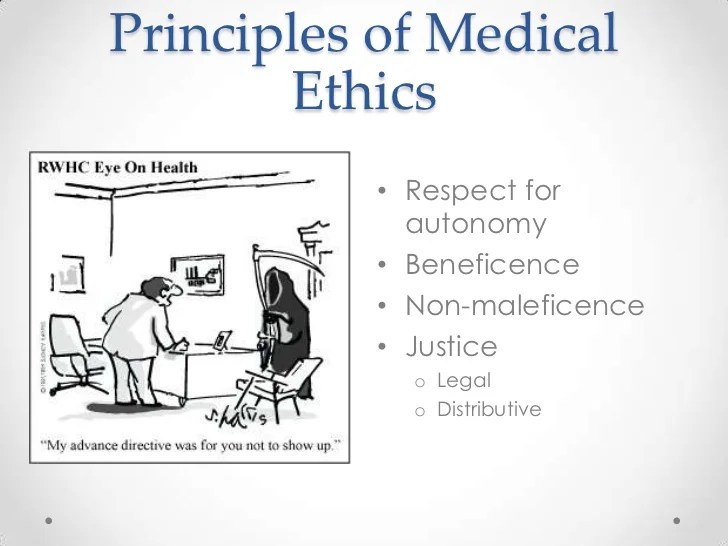
Ethics play a vital role in health and medical education as they guide the moral principles that govern the practice of medicine and healthcare. Understanding ethics within this context involves recognizing the responsibility healthcare professionals have towards their patients, society, and the larger medical community. Ethical education is not just an academic requirement; it is essential for the cultivation of compassionate and competent healthcare providers.Key ethical principles relevant to medical training include autonomy, beneficence, non-maleficence, and justice.
Autonomy respects the patient’s right to make informed decisions about their own healthcare. Beneficence and non-maleficence relate to the obligation to promote good and avoid harm, while justice emphasizes fairness in treatment and access to care. Ethical education equips healthcare professionals with the tools they need to navigate complex situations they may encounter in their practice, ultimately influencing the quality of care patients receive.
Historical Context of Ethics in Medical Education
The evolution of ethical standards in medical education has undergone significant changes over time, reflecting societal values and advances in medicine. The Hippocratic Oath, dating back to ancient Greece, established foundational principles of medical ethics that continue to resonate today. Significant milestones such as the Nuremberg Code and the Declaration of Geneva have shaped ethical practices by emphasizing patient welfare and informed consent.Influential figures like Sir William Osler and Thomas Percival contributed to the development of medical ethics, advocating for a compassionate approach to patient care.
Case studies, such as the Tuskegee Syphilis Study and the Belmont Report, highlight the importance of ethical oversight in research and clinical practices, showcasing the consequences of ethical breaches and the need for rigorous ethical training.
Ethical Dilemmas in Clinical Practice
Medical students and professionals often encounter ethical dilemmas that challenge their moral judgment. Common dilemmas include issues of informed consent, confidentiality breaches, and end-of-life decisions. For instance, a physician may face a situation where a patient refuses life-saving treatment, prompting a complex decision-making process that balances patient autonomy with medical recommendations.Mentorship plays a crucial role in navigating these ethical challenges.
Experienced healthcare providers can guide less experienced colleagues through ethical quandaries, offering insights based on their own experiences and ethical frameworks. This relationship fosters a culture of ethical reflection and discussion within healthcare environments.
The Role of Health Equity in Medical Education
Health equity is intrinsically linked to ethical training in medical education. It emphasizes the need for fair access to healthcare resources and the elimination of disparities that disadvantage certain populations. Integrating health equity into medical curricula involves teaching future healthcare professionals about social determinants of health and the importance of culturally competent care.Strategies for achieving this integration include case-based learning, community engagement projects, and the inclusion of diverse perspectives in the curriculum.
However, barriers such as systemic biases and insufficient training resources can hinder the effective implementation of health equity principles in medical education.
Home Health Care and Ethical Considerations
Home health care settings present unique ethical challenges that require careful consideration of patient autonomy and dignity. The environment in which care is delivered often blurs the lines between professional and personal relationships, making it essential for healthcare providers to navigate these dynamics thoughtfully.Guidelines for maintaining patient autonomy include involving patients in care decisions and respecting their preferences. Best practices for ethical decision-making in home health care involve clear communication, professional boundaries, and ongoing assessment of the patient’s needs and wishes, ensuring that care aligns with their values and aspirations.
Health and Medical Insurance Ethics
The ethical implications of health and medical insurance policies significantly impact patient care and access to services. Decisions made by insurance companies can dictate treatment options and access to necessary resources, raising concerns about fairness and justice in healthcare delivery.Healthcare providers often face ethical dilemmas related to insurance, such as advocating for patients whose treatments are denied or navigating complex reimbursement policies.
These situations require a thoughtful approach to ensure that patients receive appropriate care while adhering to ethical standards.
Health and Safety in Medical Education
Health and safety practices are essential for creating effective medical training environments. Educational institutions have an ethical responsibility to ensure that students can learn in safe settings, free from hazards that could compromise their well-being or that of their patients.Integrating health and safety regulations into curricula involves teaching students about infection control, emergency response protocols, and the importance of maintaining a safe learning environment.
By prioritizing health and safety, educational institutions foster a culture of responsibility and care among future healthcare professionals.
Ethical Responsibilities of Healthcare Professionals
Healthcare providers have professional ethical responsibilities towards their patients, which include ensuring informed consent and maintaining patient confidentiality. Informed consent is fundamental to respecting patient autonomy and empowering individuals to make choices about their own care.Breaches in ethical standards, such as unauthorized disclosure of patient information, can have serious consequences for both patients and providers. Maintaining high ethical standards is imperative for building trust and ensuring quality care within the healthcare system.
Integrating Ethics into Health and Fitness Education
The relevance of ethics extends beyond traditional medical education into health and fitness education programs. Fostering ethical behavior among fitness professionals is crucial for promoting safe and effective practices that benefit community health.Strategies for enhancing ethical standards in fitness education include incorporating discussions on ethical dilemmas in practice, highlighting the implications of unethical behavior, and encouraging reflection on personal values.
By prioritizing ethics, health and fitness educators can contribute to a healthier society overall.
Future Trends in Ethics in Medical Education
Emerging trends such as advancements in technology and global health challenges may significantly influence ethical education in healthcare. The integration of telemedicine and artificial intelligence raises new ethical issues related to patient privacy, data security, and the role of healthcare providers in a technology-driven environment.As global health crises, such as pandemics, reshape healthcare delivery, ethical practices will need to evolve to address these challenges effectively.
By remaining adaptable and responsive to emerging trends, medical education can ensure that future healthcare professionals are equipped with the ethical knowledge necessary to navigate a rapidly changing landscape.
Outcome Summary
In conclusion, the discussion on ethics in health and medical education reveals its profound impact on shaping competent healthcare professionals who prioritize patient welfare and equity. By addressing ethical challenges and integrating ethical training into medical curricula, we can cultivate a generation of practitioners equipped to navigate the complexities of modern healthcare while upholding the highest moral standards.
Essential FAQs
What are the key ethical principles in medical education?
The key ethical principles include autonomy, beneficence, non-maleficence, and justice, which guide healthcare professionals in their practice.
Why is ethical education important for healthcare professionals?
Ethical education is crucial as it prepares healthcare professionals to make informed decisions, maintain patient trust, and navigate complex moral dilemmas.
How can health equity be integrated into medical curricula?
Health equity can be integrated through targeted training, case studies, and discussions that address disparities in healthcare and emphasize the importance of equitable practices.
What ethical challenges are commonly faced in home healthcare?
Common ethical challenges in home healthcare include ensuring patient autonomy, maintaining dignity, and managing complex family dynamics.
How does technology impact ethics in medical education?
Technology introduces new ethical considerations, such as data privacy, informed consent regarding digital health tools, and the implications of artificial intelligence in patient care.


