
Healthy eating tips open the door to a world where nutrition and well-being go hand in hand, inviting you to explore the benefits of making mindful food choices.
In a time when fast food dominates our schedules, understanding the essence of nutritious eating is crucial for maintaining overall health. This overview will dispel common misconceptions and highlight how adopting these habits not only enhances physical health but also uplifts mental and emotional well-being.
Introduction to Healthy Eating Tips
Healthy eating is about more than just choosing the right foods; it’s a lifestyle that promotes overall wellness. The importance of healthy eating habits can’t be overstated, as they are foundational to our physical health, mental clarity, and emotional stability. A balanced diet fuels our bodies and minds, allowing us to function at our best. Furthermore, healthy eating is intricately connected to preventing chronic diseases and enhancing longevity.Despite its significance, there are many misconceptions surrounding healthy eating.
Some people believe that eating healthily is overly restrictive or that it requires expensive ingredients. Others might think that they need to completely overhaul their diets overnight to see benefits. In reality, small, gradual changes can make a significant difference in your health. Understanding these aspects lays the groundwork for making informed choices about nutrition.
Basics of Nutrition
Nutrition is the cornerstone of healthy eating, and understanding the basics can empower better food choices. Macronutrients and micronutrients play crucial roles in our diets. Macronutrients include carbohydrates, proteins, and fats, which provide energy and essential building blocks for the body. Micronutrients consist of vitamins and minerals that are vital for various bodily functions, including immune support and bone health.To maintain a balanced diet, it’s important to be mindful of portion sizes.
The following guidelines can help in organizing serving recommendations:
- Carbohydrates: Fill one-quarter of your plate with whole grains or starchy vegetables.
- Proteins: Allocate another quarter for lean proteins like chicken, fish, or legumes.
- Fruits and Vegetables: Aim to fill half your plate with a variety of colorful fruits and vegetables.
Healthy Food Choices
When it comes to making food choices, focusing on nutrient-dense options is key. Nutrient-dense foods, such as leafy greens, berries, nuts, and whole grains, provide a wealth of vitamins and minerals while being lower in calories. In contrast, processed foods often contain added sugars, unhealthy fats, and preservatives, which can detract from overall health.Incorporating a variety of fruits and vegetables into daily meals can significantly enhance nutrient intake.
Not only do they supply essential nutrients, but they also contribute to satiety and overall well-being. Aim to include at least five servings of these foods in your daily diet for optimal health benefits.
Meal Planning and Preparation
Creating a weekly meal plan can simplify healthy eating and ensure you stay on track. A well-structured meal plan incorporates a balance of all food groups and can help in managing portion sizes. A suggested approach to meal planning includes:
- Choosing a theme for each day (e.g., Meatless Monday, Taco Tuesday) to make planning easier.
- Preparing a shopping list based on your meal plan to avoid impulse buys at the grocery store.
- Batch cooking meals and snacks on weekends to save time during the week.
Additionally, grocery shopping with a focus on healthy foods involves shopping the perimeter of the store, where fresh produce and whole foods are typically located. Meal prep techniques, such as chopping vegetables in advance or cooking grains ahead of time, can help streamline the cooking process and keep you motivated.
Eating Mindfully
Mindful eating is an approach that encourages awareness during meals. This practice can enhance enjoyment of food and improve digestion. By taking the time to savor each bite, individuals can foster a better relationship with food. Techniques for practicing mindfulness during meals include:
- Eliminating distractions, such as screens or reading materials.
- Taking smaller bites and chewing thoroughly to appreciate flavors and textures.
- Listening to your body’s hunger and fullness cues to guide portion sizes.
Recognizing these signals can help prevent overeating and promote satisfaction with smaller portions.
Addressing Health Anxiety Related to Eating
Many individuals experience health anxiety related to their food choices, often stemming from diet culture and societal pressures. Common anxieties include the fear of weight gain, confusion over conflicting dietary advice, and guilt associated with indulging in certain foods. To overcome these challenges, it’s essential to focus on balanced eating rather than restrictive dieting.Strategies for mitigating health anxiety include:
- Practicing self-compassion and understanding that occasional indulgences are part of a healthy lifestyle.
- Seeking the guidance of registered dietitians who can provide personalized advice and support.
- Engaging in supportive communities or resources that promote body positivity and intuitive eating.
Health Equity and Access to Healthy Foods
Access to healthy food options can vary significantly across different communities, creating barriers that hinder individuals from making nutritious choices. Factors such as socioeconomic status, geographic location, and lack of transportation can limit access to fresh produce and whole foods.Several initiatives aim to promote health equity in nutrition. Community programs, such as farmers’ markets in underserved areas, can improve access to healthy foods.
Local organizations often establish educational workshops that empower individuals to make healthier choices within their budgets.
Health and Fitness Connection
Nutrition plays a vital role in physical fitness, influencing energy levels and performance. Eating the right foods before and after workouts can optimize results. Pre-workout meals should focus on carbohydrates for energy, while post-workout meals should include proteins for muscle recovery. Suggested examples include:
- Pre-workout: A banana with peanut butter or oatmeal with fruit.
- Post-workout: Grilled chicken with quinoa and steamed vegetables.
Hydration also significantly impacts overall health and fitness, as water aids in digestion, nutrient absorption, and temperature regulation. It’s essential to maintain adequate hydration before, during, and after physical activity.
Home Health Care and Nutrition
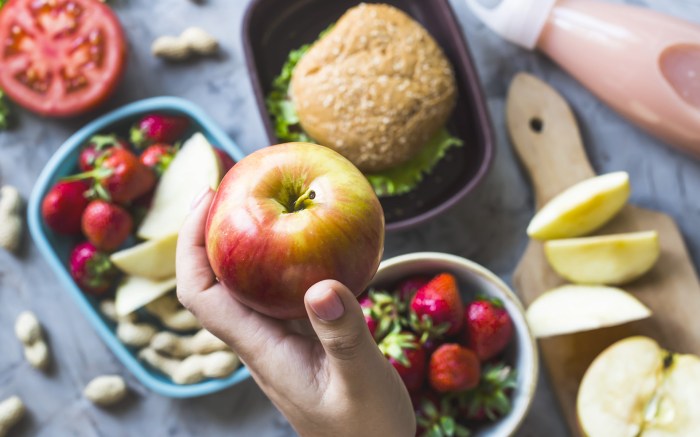
In home health care settings, nutrition is crucial for maintaining the well-being of clients. Care assistants can support healthy eating by providing education on nutrition and helping clients make healthier food choices. They can also assist in meal preparation to ensure that clients receive balanced meals tailored to their specific dietary needs.Adapting meals for individuals with health conditions, such as diabetes or heart disease, is vital.
Caregivers should be aware of food restrictions and preferences to create enjoyable and nutritious meal options.
Health Tips for Various Lifestyles
Tailoring healthy eating tips to fit various lifestyles makes it easier for individuals to adopt nutritious habits. For busy professionals, meal prepping on weekends or opting for quick, healthy snacks can help maintain a balanced diet. Families with children can involve their kids in cooking, making healthy habits fun and engaging.Older adults may have specific dietary needs, such as increased protein intake or limited sodium.
Simple strategies like incorporating nutrient-dense foods and ensuring meals are easy to chew can help maintain health as they age.
Understanding Healthcare Systems and Nutrition
Healthcare systems significantly influence access to nutritional education and resources. Dietitians play a key role in promoting healthy eating within healthcare settings, providing guidance and support to patients.Collaborations between healthcare alliances and community organizations focus on nutrition initiatives that improve public health. These partnerships often provide workshops, cooking demonstrations, and resources that empower individuals to make informed dietary choices.
Health and Medical Education on Nutrition
Integrating nutrition education in medical training is essential for fostering healthcare professionals who advocate for healthy eating. While many medical schools are beginning to include nutrition in their curriculum, ongoing education opportunities are crucial for staying updated on the latest research and trends in nutrition.Healthcare professionals can promote healthy eating by sharing evidence-based information with patients and advocating for dietary interventions that benefit overall health.
Health and Beauty Connection
Nutrition significantly affects skin health and overall appearance. Consuming a balanced diet rich in antioxidants, healthy fats, and vitamins can promote radiant skin. Foods such as avocados, berries, and nuts are known for their skin benefits.Moreover, staying hydrated is vital for maintaining skin elasticity and a youthful glow. Drinking plenty of water throughout the day can help improve overall health and enhance physical appearance.
Conclusion
In conclusion, embracing healthy eating tips is more than just about food choices; it’s about cultivating a lifestyle that prioritizes wellness and balance. As you embark on this journey, remember that small changes can lead to significant improvements in your life, and resources are available to support you every step of the way.
Frequently Asked Questions
What are the benefits of meal prepping?
Meal prepping helps save time, reduces food waste, and ensures you have healthy meals ready to go, making it easier to stick to your nutrition goals.
How can I include more fruits and vegetables in my diet?
Incorporate fruits and vegetables into every meal, try new recipes, and keep them visible and accessible for snacks.
What is mindful eating?
Mindful eating involves paying full attention to the experience of eating and drinking, which can improve your relationship with food and help control portions.
How do I find healthy foods on a budget?
Shop seasonal produce, opt for whole grains, and consider frozen fruits and vegetables, which are often cheaper and just as nutritious.
What role does hydration play in healthy eating?
Staying hydrated is essential for overall health, aids digestion, and can even help control hunger and prevent overeating.


