
Elderly home care assistance is more than just a service; it’s a lifeline for many seniors seeking to maintain their independence while receiving the care they need. With a growing aging population, these services play a crucial role in ensuring that elderly individuals can live comfortably and safely in their own homes.
This form of assistance encompasses a wide range of services, including personal care, health monitoring, meal preparation, and companionship, all tailored to meet the unique needs of each senior. As families seek the best options for their loved ones, understanding the benefits and types of elderly home care assistance has never been more essential.
Understanding Elderly Home Care Assistance
Elderly home care assistance refers to a range of supportive services designed to help seniors maintain their independence while receiving the care they need in the comfort of their own homes. This concept has gained significant traction in modern society, as more families recognize the benefits of keeping elderly loved ones at home instead of moving them to assisted living facilities or nursing homes.Home care assistance encompasses various services tailored to meet the unique needs of seniors.
These services can include personal care, companionship, meal preparation, medication management, and even specialized health care provided by professionals. The importance of these services cannot be overstated, as they significantly contribute to the well-being and quality of life of elderly individuals.
Benefits of Elderly Home Care Assistance
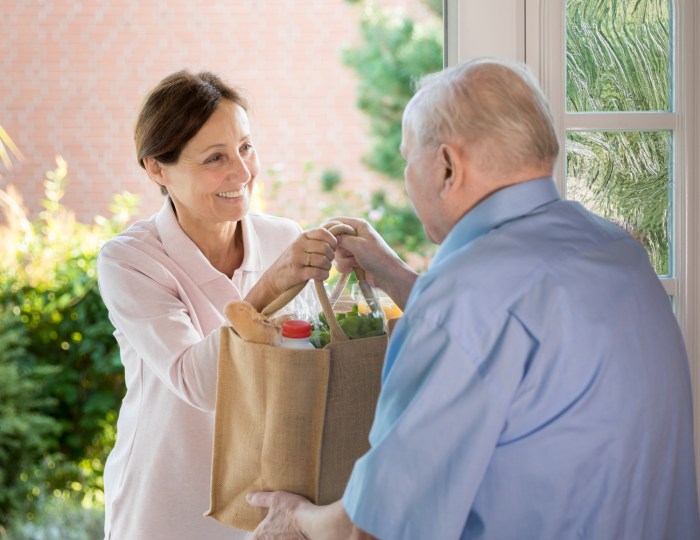
The advantages of home care assistance extend beyond the seniors themselves, positively impacting their families as well. Here are some key benefits:
- Independence: Seniors can stay in familiar surroundings, which can enhance their emotional well-being and independence.
- Personalized Care: Care can be tailored to meet the specific needs and preferences of each individual, leading to better outcomes.
- Cost-Effective: Home care is often more affordable than long-term stays in nursing homes.
- Family Involvement: Families can be more involved in the care process, fostering stronger relationships.
- Health Monitoring: Regular visits from caregivers can help detect health issues early, preventing complications.
Role of Home Health Care
Home health care plays a vital role in elderly home care assistance by providing skilled health services within the home environment. This integration ensures that seniors receive comprehensive care that addresses both their medical and personal needs.
Qualifications Required for Home Health Care Professionals
Home health care professionals typically possess a range of qualifications, including:
- Nursing degrees or certifications (Registered Nurses, Licensed Practical Nurses)
- Certification in home health aide training programs
- Specialized training in geriatric care
- CPR and First Aid certifications
- Background checks to ensure safety and reliability
Difference Between Home Health Care and Traditional Nursing Homes
The distinction between home health care and traditional nursing homes is significant. Home health care allows individuals to receive care in their preferred living environment, promoting comfort and familiarity. In contrast, nursing homes provide a more institutionalized setting, which may lack the personal touch and independence that many seniors desire. Home health care can offer tailored services without the need for residential relocation, making it a more appealing choice for many families.
Healthy Food and Nutrition for Seniors
Proper nutrition is critical for the health and well-being of elderly individuals. As the body ages, nutritional needs change, and seniors often face challenges in maintaining a balanced diet, making it essential to focus on their dietary intake.
Recommended Healthy Foods for Seniors
Here’s a list of healthy food options that seniors should incorporate into their diets along with their benefits:
- Leafy Greens: Rich in vitamins and minerals, they help maintain bone health and reduce the risk of chronic diseases.
- Whole Grains: Provide essential fiber, aiding digestion and preventing constipation.
- Lean Proteins: Sources like fish and poultry support muscle health and overall energy levels.
- Fruits: Packed with antioxidants, they help fight inflammation and boost the immune system.
- Nuts and Seeds: Good sources of healthy fats, they promote heart health and cognitive function.
Role of Meal Preparation Services
Meal preparation services are an integral part of elderly home care, ensuring that seniors receive nutritious meals tailored to their dietary needs. These services help alleviate the stress of cooking and planning meals, allowing seniors to maintain a balanced diet without the hassle.
Health Equity in Elderly Care
Health equity refers to the fair distribution of health resources and access to care across different populations, including the elderly. It is crucial to address disparities that often exist in elderly home care.
Barriers to Accessing Home Care Services
Marginalized populations may face several barriers when trying to access home care services, including:
- Lack of financial resources or insurance coverage
- Limited availability of culturally competent care providers
- Geographical limitations, especially in rural areas
- Language barriers that hinder communication with healthcare providers
Improving Health Equity for Elderly Individuals
To improve health equity for seniors receiving home care assistance, various strategies can be implemented, such as:
- Expanding funding for home care services in underserved communities
- Implementing training programs for caregivers focusing on cultural competence
- Enhancing outreach efforts to educate marginalized groups about available services
Health and Fitness for Seniors
Maintaining physical health and fitness is vital for seniors. Regular exercise not only improves physical health but also enhances mental well-being.
Tips for Maintaining Physical Health
Here are some practical tips for seniors to maintain their health and fitness:
- Engage in low-impact exercises such as walking, swimming, or yoga.
- Incorporate strength training to build muscle and improve balance.
- Stay hydrated and monitor fluid intake to prevent dehydration.
- Consult with a healthcare provider before starting any new exercise regimen.
Role of Exercise Programs in Home Care Assistance
Exercise programs can be invaluable in home care assistance, providing structured physical activity tailored to seniors’ abilities. These programs enhance mobility, strength, and overall well-being, making them a crucial component of elderly care.
Mental Health and Health Anxiety
Mental health support is just as important as physical care in elderly home care. Seniors often face unique challenges that can lead to mental health issues, including isolation, depression, and anxiety.
Identifying Health Anxiety Among Elderly Individuals
Caregivers should be vigilant in recognizing signs of health anxiety, which may manifest as:
- Excessive worry about health conditions
- Frequent doctor visits without clear medical issues
- Changes in sleep patterns or appetite
- Social withdrawal or avoidance of activities
Strategies for Providing Emotional Support
Caregivers can employ several strategies to help support the emotional well-being of seniors, such as:
- Encouraging open communication about feelings and concerns
- Facilitating social connections with family and friends
- Offering reassurance and validating their feelings
- Encouraging engagement in hobbies and activities they enjoy
Health and Social Care Collaboration
The collaboration between health care and social services is essential for providing comprehensive care to the elderly. This partnership enhances the overall quality of care delivered to seniors.
Advantages of a Collaborative Approach
A collaborative approach offers numerous advantages, including:
- Holistic care that addresses both medical and social needs
- Improved communication among care providers
- Streamlined access to services, reducing delays in care
- Enhanced support for family caregivers, preventing burnout
Key Players in Health and Social Care Sectors
Key players in this collaborative model include physicians, social workers, home care agencies, and community organizations. Their coordination ensures that elderly individuals receive well-rounded support tailored to their needs.
Health Benefits of Home Care
Elderly home care assistance offers a multitude of health benefits that can significantly improve the quality of life for seniors.
Health Benefits Associated with Elderly Home Care Assistance
The health benefits of home care include:
- Reduced hospital readmission rates due to regular monitoring
- Improved management of chronic conditions
- Lower rates of depression and anxiety
- Enhanced physical health through personalized care and activity
Statistics Demonstrating Improved Health Outcomes
Numerous studies have shown that seniors receiving home care experience better health outcomes compared to those in nursing homes. For instance, a study published in the Journal of Aging & Social Policy reported a 20% reduction in hospital readmissions for seniors receiving home care.
Healthcare Systems Supporting Elderly Care
Different healthcare systems provide various resources to support the needs of elderly home care.
Role of Technology and Telehealth
Technology and telehealth have transformed elderly home care, enabling remote consultations and monitoring. This innovation facilitates access to care, particularly for seniors with mobility challenges or those living in remote areas.
Review of Healthcare Policies Affecting Elderly Care Access
Healthcare policies play a critical role in determining access to home care services. Policies that emphasize funding for home care programs and training for caregivers can lead to improved outcomes for elderly patients.
Health and Medical Education in Elderly Care
Specialized training for caregivers in elderly care is crucial to ensure high-quality service delivery.
Ongoing Education Opportunities for Home Health Care Assistants
Home health care assistants can benefit from ongoing education in various areas, including:
- Geriatric care best practices
- Communication techniques with elderly patients
- Understanding age-related health conditions
- Emergency response training
Key Topics for Health and Medical Education
Key topics that should be included in training programs for caregivers encompass:
- Nutrition and meal planning for seniors
- Managing medications and health monitoring
- Emotional and mental health support techniques
- Safety protocols in home environments
Health and Safety Jobs in Home Care
Health and safety professionals play a vital role in ensuring that home care environments are safe for elderly individuals.
Roles and Responsibilities of Health and Safety Professionals
These professionals are responsible for:
- Conducting safety assessments of home environments
- Implementing safety protocols and procedures
- Training caregivers on emergency response and safety measures
- Ensuring compliance with health regulations
Safety Protocols in Home Care Settings
Safety protocols that should be followed in home care settings include:
- Regular assessments of home safety hazards
- Emergency preparedness plans
- Proper storage and administration of medications
- Maintaining clear communication channels for urgent situations
Dental Care for the Elderly
Dental care is a crucial aspect of overall health for elderly individuals, often overlooked in home care plans.
Significance of Dental Care in Elderly Health
Good oral health is linked to overall well-being, affecting nutrition and the risk of systemic diseases. Regular dental check-ups can prevent complications that arise from poor oral hygiene.
Common Dental Issues Faced by Seniors
Seniors may encounter several dental issues, including:
- Tooth decay and cavities
- Gum disease
- Tooth sensitivity
- Denture-related problems
Role of Dental Care Services in Home Health Care
Dental care services can be incorporated into home health care, ensuring that seniors receive necessary dental hygiene and treatment without leaving their homes.
Health Clinics and Resources for Seniors
Various health clinics cater specifically to the needs of elderly populations, providing essential services.
Types of Health Clinics for Elderly Populations
The types of clinics that focus on elderly care include:
- Geriatric clinics
- Dental clinics specializing in senior care
- Physical therapy and rehabilitation centers
- Community health clinics offering preventive care
Resources for Caregivers and Families
Caregivers and families can access numerous resources, such as:
- Support groups for caregivers
- Educational workshops on elderly care
- Online platforms for connecting with healthcare professionals
- Government assistance programs for home care services
Health Essentials for Aging Adults
An effective elderly care plan must include a comprehensive list of health essentials.
Importance of Regular Health Screenings
Regular health screenings are crucial for early detection of potential issues, such as hypertension, diabetes, and cancer. These screenings help caregivers manage health conditions proactively.
Managing Health Essentials Effectively
Caregivers can assist seniors in managing their health essentials by:
- Creating medication schedules and reminders
- Organizing regular check-ups and screenings
- Monitoring dietary habits and nutritional intake
- Encouraging physical activity and social engagement
Health Tips for Caregivers
Caregivers play a vital role in the well-being of seniors, but it’s equally important for them to prioritize their own health.
Practical Health Tips for Caregivers
Here are some essential tips for caregivers to maintain their well-being:
- Practice self-care by scheduling regular breaks.
- Stay connected with support networks and fellow caregivers.
- Engage in physical activities to relieve stress.
- Seek professional help when feeling overwhelmed.
Importance of Self-Care for Caregivers
Self-care is essential for caregivers to prevent burnout and maintain their health, enabling them to provide better care for their elderly loved ones. Balancing caregiving responsibilities with personal health needs is crucial for long-term success in this role.
Final Review
In summary, elderly home care assistance offers vital support that enhances the quality of life for seniors, allowing them to thrive in a familiar environment. With its various services, this approach not only benefits seniors but also provides peace of mind for their families, knowing that their loved ones are in capable hands. Embracing these services is a step towards ensuring a healthier, happier aging experience.
Expert Answers
What is elderly home care assistance?
Elderly home care assistance involves a range of services designed to support seniors in their own homes, helping them with daily activities while promoting their independence.
How can I find elderly home care services?
You can find elderly home care services through referrals from healthcare providers, local agencies, or by searching online directories dedicated to senior services.
Are home care services covered by insurance?
What qualifications should home care professionals have?
Home care professionals should have relevant training, certifications, and experience in elderly care, including knowledge of health and safety protocols.
How can families support their loved ones receiving home care?
Families can support their loved ones by staying involved, communicating regularly with caregivers, and ensuring that their loved ones’ needs are being met effectively.


